
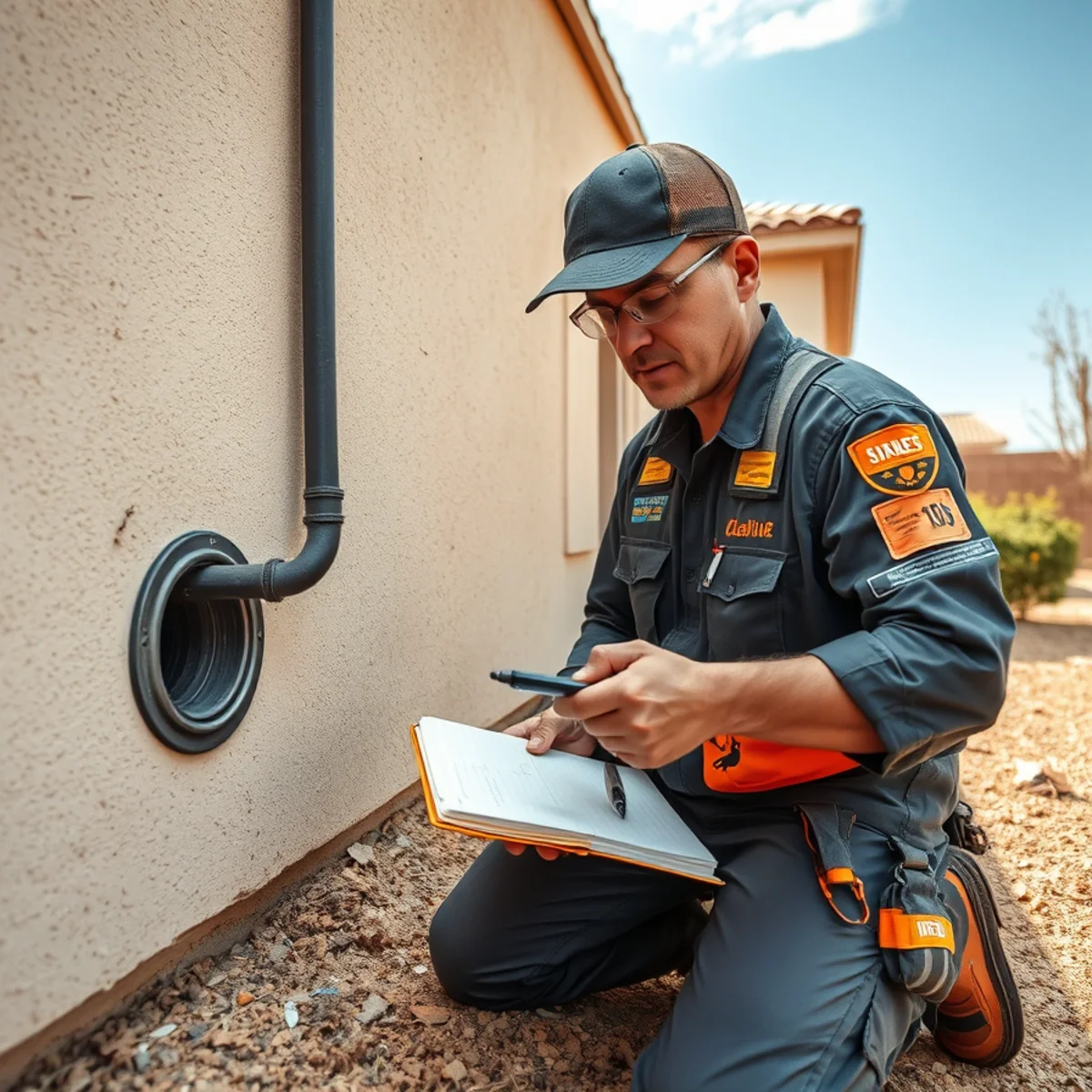
Answer first: Effective ant control in a El Paso desert home starts by tracing workers from food or water back toward the entry route instead of spraying the visible line. Document the trail, remove dependable resources, inspect irrigation and exterior bridges, avoid conflicting products, and request identification when trails return, spread, or include winged insects.
Ants can cross a kitchen in a line so precise that the trail looks like the entire problem. It is only the visible commute. Workers are moving between a nest and a resource, often through a tiny wall or utility gap.
Successful ant control follows that route. Cleaning is important, but the plan also needs identification, moisture control, exterior inspection, and treatment that reaches the relevant colony or travel zone.
How to use this guide
- Start with watch before wiping the trail. Use the detailed section below to record what is true at this property before choosing the next action.
- Then check remove dependable food. Use the detailed section below to record what is true at this property before choosing the next action.
- Compare the evidence with treat water as a resource. Use the detailed section below to record what is true at this property before choosing the next action.
- Finish by reviewing inspect the exterior bridge. Use the detailed section below to record what is true at this property before choosing the next action.
Watch before wiping the trail
Note where ants enter the room, what they are collecting, and the direction they travel. Photograph the line and inspect the corresponding exterior wall. A window trail may lead to vegetation; a sink trail may connect to plumbing moisture; a pantry trail may begin at a utility gap.
After documenting, clean food residues and the visible trail. Continue watching for the point where workers reappear. That location helps focus the inspection.
Remove dependable food
Seal sugar, cereal, pet food, and bulk goods in rigid containers. Wipe syrup, drink, and grease residues from cabinet edges and recycling. Feed pets on a schedule where practical and clean bowls and crumbs afterward.
Ants need very little. A jar rim, toaster tray, or pet-food crumb behind an appliance can sustain a trail even when counters look clean.
Treat water as a resource
Repair under-sink drips, hose connections, irrigation leaks, and condensation. Dry counter and sink areas overnight. Check plant trays, pet water, and exterior boxes.
In El Paso's dry climate, a small reliable source has greater value. Moisture control can change trail behavior and make treatment more focused.
Inspect the exterior bridge
Branches, vines, utility lines, block walls, and irrigation edges can lead directly to the structure. Trim plant contact, seal unintended gaps, and keep mulch or debris from piling against walls.
Do not seal over active evidence without understanding the route. Ants may establish a new path, and some voids require treatment before closure.
Avoid product conflict
Spraying workers may kill the visible ants but leave the nest unaffected. Repellent material can redirect a trail into another room or interfere with bait. Product choice depends on the ant and location.
Tell the technician what you used. Do not place multiple products together in hopes that more chemistry will work faster.
Know when the colony needs help
Request an inspection when trails return repeatedly, winged ants appear indoors, activity spreads to several rooms, or ants are associated with electrical or wall voids. Also seek identification when insects could be termite swarmers.
Keep a short sighting record. The time and direction of activity can reveal exterior nesting, heat response, or a hidden moisture source.
Expert insight: Build a seven-day ant trail record
Choose one active trail and record it at the same three times each day: early morning, late afternoon, and after the kitchen or pet area has been cleaned. Mark the first worker location, the food or water source, the entry point, and the corresponding exterior wall. Do not add new sprays during the observation window unless safety or the treatment plan requires it. The record will show whether the trail follows household activity, irrigation, heat, or a concealed resource.
Next, change one condition at a time. Seal the food, dry the sink, repair the drip, or trim the plant touching the wall, then note whether workers reroute. Changing everything at once makes it harder to learn which resource mattered. If a bait or professional treatment is already in use, follow those instructions instead of interrupting it. Ant workers may remain visible while material moves through the colony, so immediate disappearance is not the only measure of progress.
At the end of the week, keep the photos, dates, and route sketch. Request help if the trail expands, winged insects appear, several rooms develop activity, or the source leads into a wall or electrical area. The packet gives a technician more than a cleaned counter to inspect. It shows the colony's response to food, water, weather, and access, which makes identification and placement more precise.
Before closing your notes, answer four property-specific questions. What did you document about watch before wiping the trail? Which condition from know when the colony needs help can you check without creating a safety risk? How would you answer “Does vinegar eliminate an ant colony?” using only evidence from this address? Finally, which date, location, weather event, repair, or contractor visit best explains when the pattern changed? Keep the photos and answers together. If the evidence points toward a current infestation, concealed route, roof hazard, or repeated indoor activity, bring that packet to the estimate. It gives the service provider a usable timeline and keeps the recommendation tied to this property instead of a generic version of ant control tips El Paso.
Turn those observations into a one-page service brief. Start with the evidence connected to watch before wiping the trail, then make a second column for know when the colony needs help. Label each photograph with its room, wall, roof edge, or exterior side; include the date and any change after weather, cleaning, construction, or another contractor visit. Use the question “Are winged ants termites?” as a final check for missing context. A concise record makes it easier to compare the visible symptom with the conditions described in this ant control tips El Paso guide and keeps the estimate focused on the address in front of the technician.
The practical next step
Ant control is a source-finding exercise. Observe the trail, remove resources, inspect the bridge, and use products in a coordinated way. Annihilate Pest Control can identify the active route and combine treatment with a practical prevention list for your property.