Answer first: Pigeon proofing solar panels in El Paso works when a roof-level inspection finds every active edge, nesting zone, drainage path, and failed barrier before cleanup and fitted exclusion begin. Homeowners should expect a scope covering safe access, debris, corners, conduit, attachment details, photographs, and future solar-service coordination—not a panel-count-only mesh quote.
Solar panels create clean energy—and one of the most protected nesting spaces on a desert roof. The gap beneath an array stays shaded through the hottest part of the day, blocks much of the wind, and gives pigeons an elevated view of the surroundings. Once a pair raises young there, the roof becomes a familiar site that birds will keep testing.
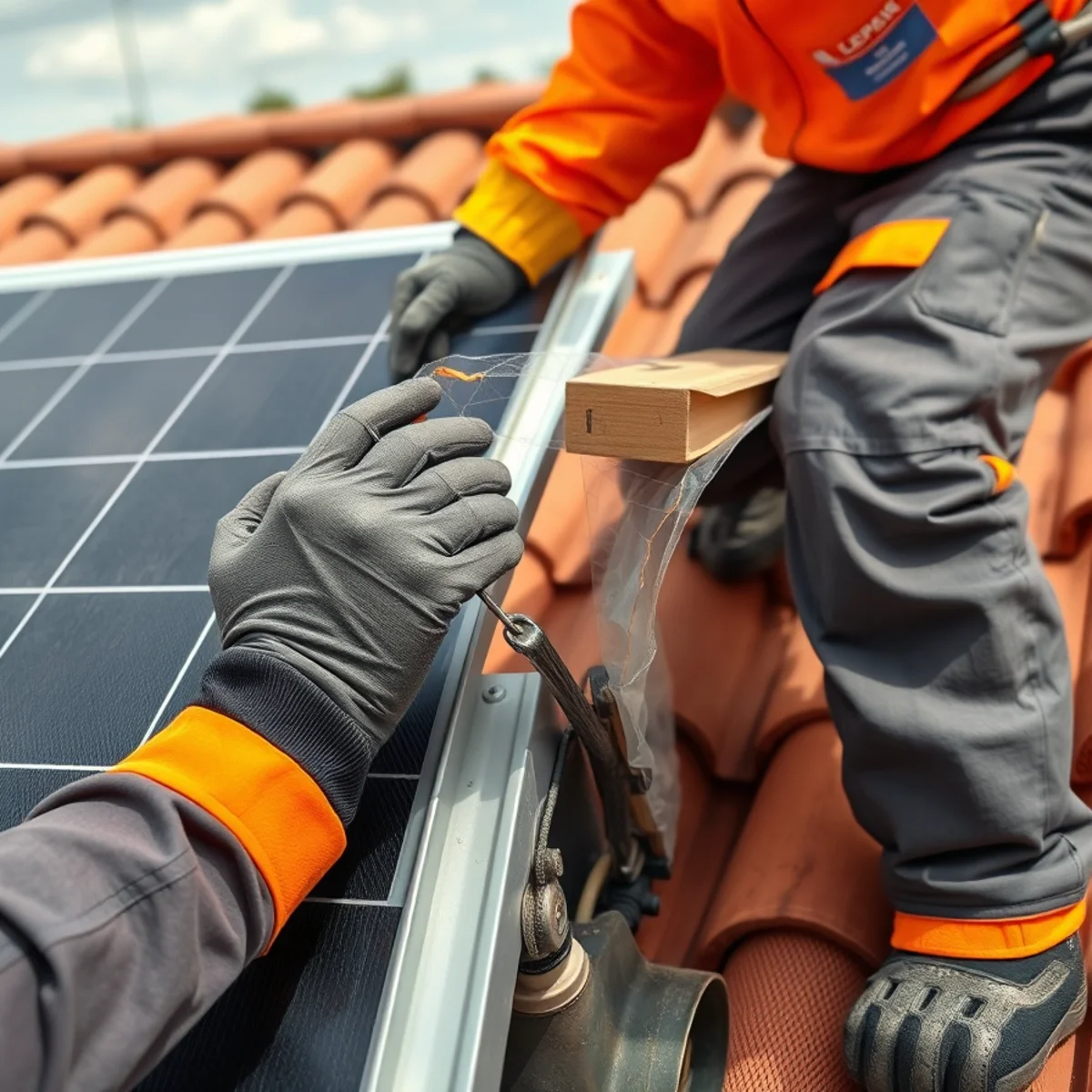
Pigeon proofing solar panels in El Paso is not simply a matter of buying a roll of mesh. The installation has to fit the complete array, accommodate corners and conduit, preserve drainage and ventilation, and close access without trapping birds or sealing nests beneath the panels. This guide explains what homeowners should expect from a professional scope.
How to use this guide
- Start with why pigeons choose solar arrays. Use the detailed section below to record what is true at this property before choosing the next action.
- Then check inspection comes before materials. Use the detailed section below to record what is true at this property before choosing the next action.
- Compare the evidence with cleanup and proofing need the right sequence. Use the detailed section below to record what is true at this property before choosing the next action.
- Finish by reviewing details that separate durable proofing from a quick patch. Use the detailed section below to record what is true at this property before choosing the next action.
Why pigeons choose solar arrays
Pigeons look for repeatable shelter more than a picturesque nest site. A panel edge gives them an opening above the roof surface, while the array protects the space from direct sun and many predators. Rails and wiring create support for nest material. Nearby parapets and ridges provide convenient landing points before the birds move underneath.
The first clues are often subtle: a pair landing at the same corner every morning, cooing or scratching above a bedroom, feathers near a downspout, or a few droppings on a lower roof. By the time waste is visible across the yard, nests may already fill more than one section of the array.
Inspection comes before materials
A useful assessment covers the entire exposed perimeter, not only the opening visible from the driveway. The technician looks for active entry points, nesting zones, eggs or young, accumulated debris, drainage paths, roof damage, older barrier sections, and places where birds could shift after losing the primary opening.
Roof pitch, surface material, number of stories, array layout, and safe access all affect the plan. Tile contours can repeat along an edge. Conduit can interrupt a straight run. Multiple arrays add corners. Photos help the owner understand these conditions without climbing onto the roof.
Cleanup and proofing need the right sequence
Active birds need a route out, and nesting material should be addressed before the perimeter is closed. Installing a new barrier over old nests leaves contamination in place and can create serious problems if a bird is trapped. A complete proposal states what cleanup and disinfection are included instead of hiding that work inside a vague “bird control” line item.
After debris is removed, the surface and panel area can be evaluated more accurately. Cleanup also exposes rail ends and roof transitions that nest material may have hidden. The barrier is then fitted to the actual edge, with special attention to corners, conduit, supports, and height changes.
Details that separate durable proofing from a quick patch
Pigeons can use an opening that looks insignificant from the ground. Loose corners, raised mesh near conduit, gaps at rail ends, and material that does not follow the roof profile are common failure points. Wind and heat cycles will worsen any section that begins under tension or with weak attachment.
The finished system should remain clear of sensitive solar components, preserve air movement beneath the panels, and allow roof drainage. It should also be understandable to a future solar technician. If panels need service, the barrier should be removed and reinstalled deliberately rather than folded aside and forgotten.
How to compare estimates
Compare the measured perimeter, number of arrays, access plan, cleanup scope, barrier method, corners, conduit transitions, and removal of failed material. A price based only on the panel count may not reflect the actual edge length or roof complexity. Ask whether photos will document conditions before closure and the final installation.
The lowest estimate can become expensive if birds return through a missed corner or if old nests remain beneath the array. On the other hand, a higher quote should be able to explain the additional labor or access clearly. Transparent factors are more useful than a dramatic promise.
Maintenance after installation
Watch the roof from the ground during the hours birds used it most. Some pigeons may circle or land nearby while testing the change, but repeated entry beneath the panels suggests an opening that needs inspection. Save the before-and-after photos as part of the property's solar records.
After roofing, electrical, or solar work, visually check the barrier. Contractors may need to remove a section to reach components. Tell them proofing is present before the appointment and confirm it has been secured again when their work is complete.
Expert insight: Build the proofing scope from the roof evidence
Ask the assessor to divide the array into edges, corners, conduit transitions, drainage points, and previous repair zones. Each condition should connect to a photograph and an action: remove active nest material, clean an identified surface, replace failed barrier material, fit a difficult contour, or coordinate access with a solar or roofing contractor. That evidence-to-action map prevents a broad “install mesh” description from hiding the parts most likely to fail.
Confirm the order of work before installation. Birds need a route out; eggs, young, and active nests require lawful and humane handling; accumulated debris should not be sealed beneath the panels. Ask which cleaning and disinfection tasks are included, how runoff will be controlled, and whether the roof condition creates a separate repair issue. Proofing should begin only when the protected space is ready to close.
Keep final perimeter photographs with the solar records and identify any section another contractor may need to open. After roofing, electrical, or panel service, observe the same edges from the ground during the birds' former arrival times. A durable system is not judged by whether pigeons remain in the neighborhood; it is judged by whether they can re-enter the protected array and rebuild.
Before closing your notes, answer four property-specific questions. What did you document about why pigeons choose solar arrays? Which condition from maintenance after installation can you check without creating a safety risk? How would you answer “Can pigeons damage solar panels?” using only evidence from this address? Finally, which date, location, weather event, repair, or contractor visit best explains when the pattern changed? Keep the photos and answers together. If the evidence points toward a current infestation, concealed route, roof hazard, or repeated indoor activity, bring that packet to the estimate. It gives the service provider a usable timeline and keeps the recommendation tied to this property instead of a generic version of pigeon proofing solar panels El Paso.
Turn those observations into a one-page service brief. Start with the evidence connected to why pigeons choose solar arrays, then make a second column for maintenance after installation. Label each photograph with its room, wall, roof edge, or exterior side; include the date and any change after weather, cleaning, construction, or another contractor visit. Use the question “Can I install mesh myself?” as a final check for missing context. A concise record makes it easier to compare the visible symptom with the conditions described in this pigeon proofing solar panels El Paso guide and keeps the estimate focused on the address in front of the technician.
The practical next step
The best solar-panel pigeon proofing is a small construction project informed by bird behavior. It begins with a full roof assessment, removes nesting conditions, fits every edge, and leaves a record the homeowner can understand. Annihilate Pest Control specializes in this work and has supplied reviews describing complete redos of failed barriers, clear photographs, and strong follow-up. Request an assessment before a small colony turns into a large cleanup.